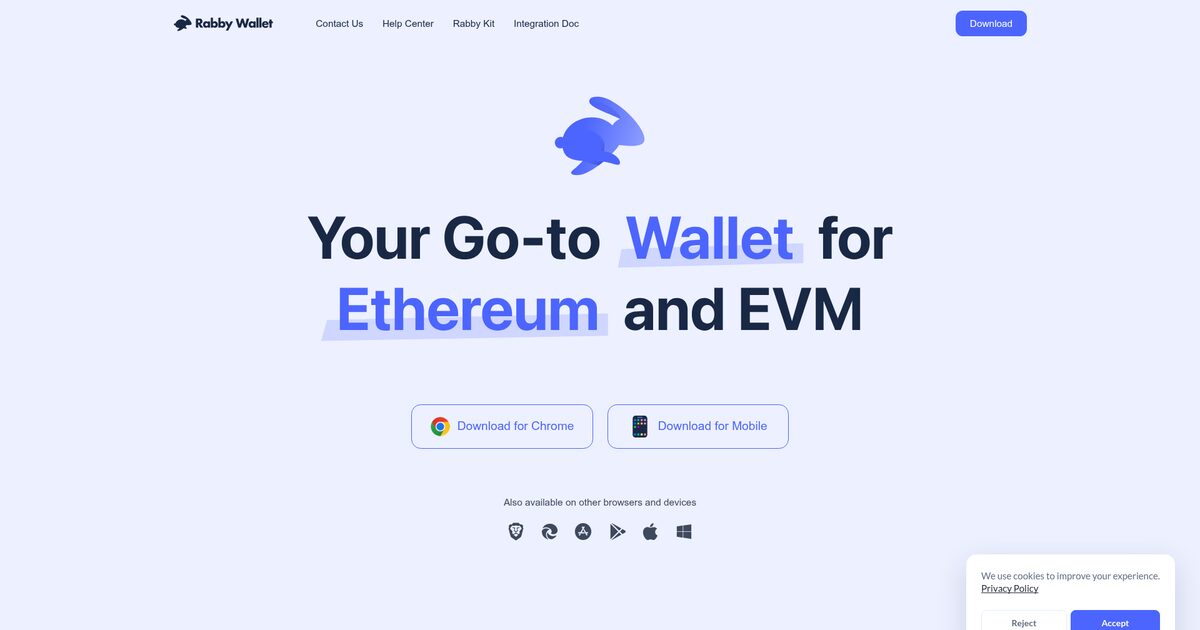
Nearly every serious loss in decentralised finance comes down to signing something whose effect the user did not understand. Rabby's answer is to run the transaction first and show you the outcome: which tokens leave, which arrive, which contract gains an allowance, and whether anything about the counterparty looks abnormal.
In testing it caught an unlimited approval to a contract we had every intention of interacting with, and made the alternative — a bounded allowance — a single tap. That is the sort of guardrail that belongs in every wallet by default.
The quality-of-life work is equally good. Rabby detects which chain a dapp expects and switches automatically, keeps a queue of pending signatures that survives a browser restart, and ships an approvals dashboard that makes periodic revocation a five-minute chore instead of a research project.
The trade-off is architectural. Simulation happens on Rabby's infrastructure, which means the wallet provider sees a meaningful stream of what you are about to do. That is a privacy cost, disclosed but real, and users with strict metadata requirements should weigh it. Coverage is also EVM-only, so it complements rather than replaces a bitcoin wallet.
For anyone who interacts with contracts more than occasionally, the safety gain outweighs the caveats comfortably. Four and a half out of five.